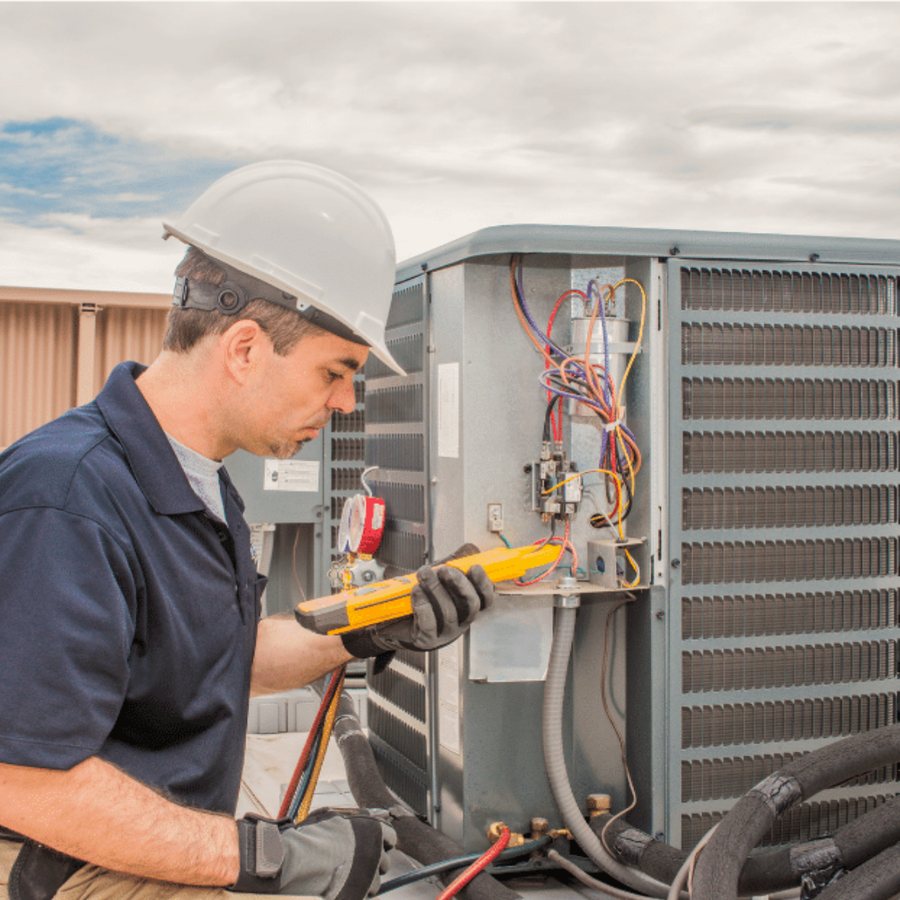
Request heat pump repair & installation for a property in Waterloo. Include the equipment, the problem or planned work, and your location so the request can be reviewed.
How can a homeowner distinguish a heat pump repair need from a replacement project?
Heat pump work depends on whether the equipment is an air-to-air central system, a ductless mini-split, or a model intended for lower outdoor temperatures. A loss of heating, cooling, or even operation may arise from controls, airflow, defrost operation, or a component fault. Repair assessment should establish the system type and operating history before recommending work. If installation is being considered, load, existing distribution, electrical requirements, and intended heating role define the scope.
Record whether heating, cooling, or both are affected, the operating mode, any displayed code, and changes in noise or cycling. The model, system layout, service history, and backup heat arrangement help interpret symptoms. A professional inspection can assess controls, airflow, outdoor coil and defrost function, and component condition before comparing a repair with installation options.
Air-to-air, ductless, inverter, and cold-climate heat pump distinctions
Heating, cooling, defrost, airflow, control, and component diagnosis
Repair-versus-replacement assessment and installation planning
Assessment and Scope
Questions for the Proposed Work
01
Diagnose by heat pump type and operating mode
A central air-to-air heat pump and a ductless mini-split do not use identical controls or air distribution, and an inverter model may operate differently from a fixed-capacity unit. Diagnosis should establish the selected mode, thermostat or controller call, airflow, and relevant fault codes. If the concern occurs during a heating cycle, outdoor coil condition and defrost operation may be part of the assessment. This evidence helps distinguish a control issue from a component fault.
02
Repair or replace a failed component
A repair may be reasonable when inspection identifies a specific serviceable fault and the rest of the system is in suitable condition. A compressor failure, extensive refrigerant-circuit damage, or multiple deteriorated components can make replacement worth comparing, particularly when parts or compatibility affect the repair scope. The equipment's service records, model requirements, and backup heating arrangement help make that comparison. One symptom alone does not establish that a whole-system replacement is needed.
03
Plan an installation around the property
A replacement or new installation should be based on a load calculation, intended heating and cooling use, existing ducts or indoor-unit locations, and the electrical service requirements of the selected model. Cold-climate ratings and approved operating limits matter when the system is expected to provide heat in lower outdoor temperatures. If an existing oil-fired system is being removed from service, its safe isolation and decommissioning are separate project details to establish.
Compare the next step
Ask how the projected operating costs divide duty between the heat pump and supplementary heat. Compare those assumptions with actual fuel and electricity use and planned envelope changes. Require the selected equipment and control strategy to be identified rather than interpret a high efficiency rating as a household savings promise.
Cold-climate capability does not prove that one model covers every home heating load. Ask how the selected equipment and supplementary heat meet the actual design requirements.