
Share the property details
Send the location, equipment, symptoms or planned changes, and who can approve the work. Existing labels and service records help define the request.
Need help with heating or cooling in Waterloo? Describe the repair, installation or maintenance you need. Confirm service availability, pricing and appointments with the provider before booking.
Are the proposals based on the same equipment, property and intended result?
Compare the exact equipment and design assumptions, the work included or excluded, and the assessment, price and completion terms. A headline equipment price alone does not describe an installed system.
View furnace repair services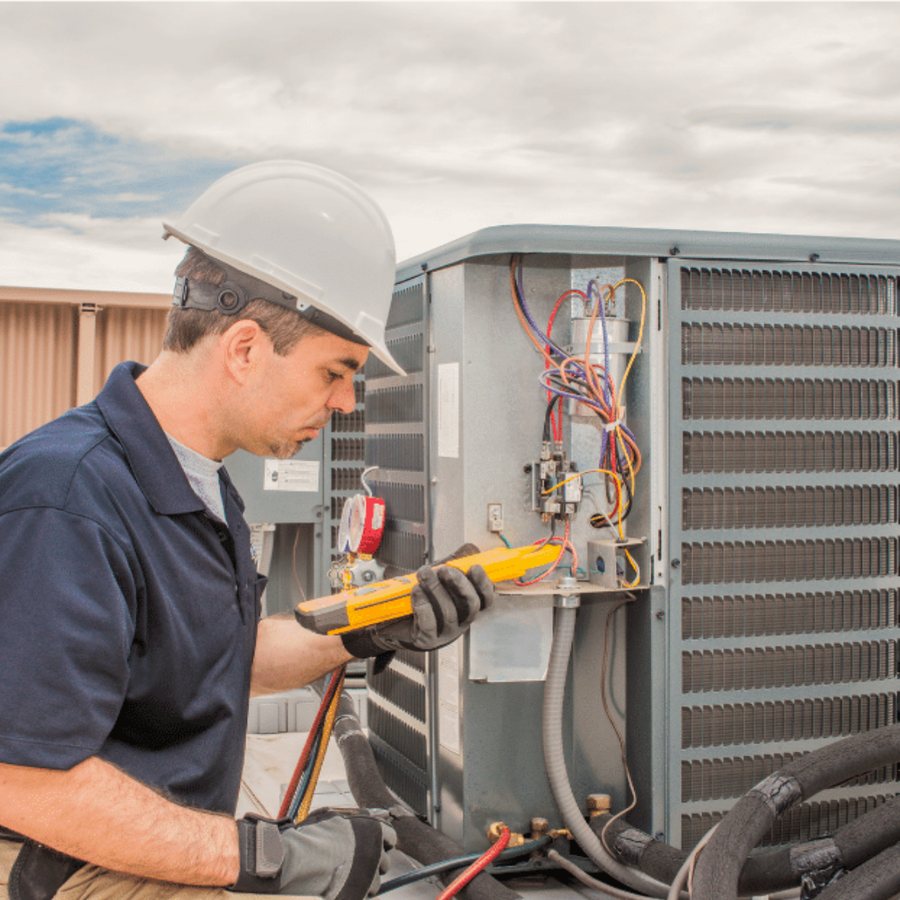
Describe the work first, then confirm the people, timing, and terms before making a commitment.
Send the location, equipment, symptoms or planned changes, and who can approve the work. Existing labels and service records help define the request.
The enquiry team reviews the request and shares it with a relevant service provider for follow-up using your contact details. Confirm contractor coverage, qualifications and how the property will be assessed before agreeing to an appointment.
Ask which findings support the work, what is included or excluded, and how completion will be checked. Agree on pricing and terms with the contractor.
Start with the installed equipment and its manufacturer instructions. Maintenance needs depend on the appliance and its use. Keep service records and ask a qualified contractor which seasonal inspections apply.
When requesting work for a property in Waterloo or nearby Cambridge, Kitchener and Elmira, compare actual fuel consumption over a relevant period and list changes to weather exposure, schedules, or occupancy. Ask which service findings could explain increased runtime and what evidence supports a repair. Any replacement savings estimate should state its assumptions instead of treat a higher total bill as proof of furnace failure.
Note when the problem occurs, any displayed fault code, changes in sound, and which rooms are affected. The furnace model, fuel, recent service records, and filter condition can help narrow the assessment. A qualified service professional can inspect internal electrical, fuel, combustion, venting, and safety components without relying on repeated resets.
Weak airflow or uneven room temperatures can involve a loaded filter, blower wheel, condensate drain, duct restriction, or system pressure issue. An inspection can compare airflow and static pressure with the furnace requirements and check accessible components. These findings help separate a furnace fault from a distribution problem, so a repair addresses the observed cause rather than replacing unrelated parts.
A furnace that fails to start may have an ignition, flame-sensing, control, or fuel-supply issue; unusual cycling can point elsewhere. The fault code and operating sequence provide diagnostic evidence, but do not by themselves identify a failed part. For gas or propane equipment, combustion and safety checks belong in qualified service. Repair is appropriate when inspection identifies a serviceable fault and the equipment remains suitable.
A repair decision depends on the confirmed fault, the condition of major components, parts availability, and the furnace's operating history. Replacement may merit comparison when several significant components are deteriorated or a major failure makes continued repair impractical. A written explanation of findings helps distinguish an isolated repair from a broader decline. Neither age nor one fault alone establishes that replacement is necessary.
Share the property location and the work you need so the request can be reviewed.