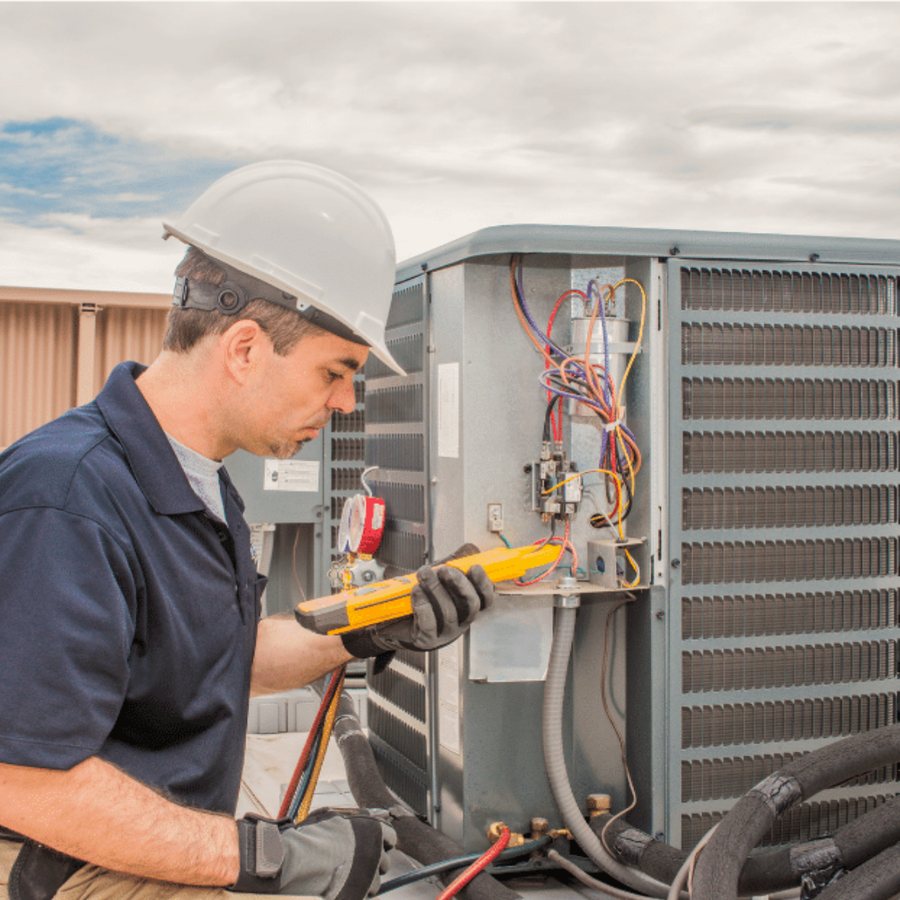
What should be recorded before requesting diagnosis of an air conditioner that is not cooling?
An air conditioner that will not start, blows warm air, cools unevenly, or makes an unfamiliar noise needs diagnosis suited to its equipment. A central system and a ductless inverter unit have different controls and operating components, so symptoms and model information matter. Inspection may assess airflow, electrical components, coils, refrigerant circuit evidence, and controls. Findings can support a specific repair or a comparison with replacement when major components or repeated faults change the scope.
Record when cooling changed, whether the system starts and stays on, any displayed code, and which areas feel different. The system type, model, recent service history, and visible water or ice can help guide inspection. Refrigerant circuit and internal electrical work require qualified service; occupants should not open equipment or handle refrigerant.
Central and ductless system differences, including inverter controls
Airflow, coil, refrigerant leak, capacitor, contactor, and fan faults
Repair or replacement decisions for isolated and major failures
Assessment and Scope
Questions for the Proposed Work
01
Check airflow and heat-transfer evidence
Reduced cooling can result from airflow restrictions, dirty coils, a fan fault, or another issue that limits heat transfer. Inspection can compare airflow and coil condition with the system's requirements and check whether the outdoor fan operates normally. A wobbling or noisy fan deserves attention because continued operation may affect other components. These observations help identify repair scope without treating every warm-air complaint as a refrigerant problem.
02
Confirm refrigerant and electrical faults
Refrigerant pressure readings must be interpreted alongside operating conditions, airflow, and coil temperatures. If a leak is suspected, its location and evidence matter: adding refrigerant alone does not resolve the source. Capacitors, contactors, and inverter controls also require model-appropriate testing. A repair plan should identify the failed component or leak, explain any required follow-up, and avoid assuming that a symptom proves a particular part has failed.
03
Decide whether repair remains suitable
A repair may suit an isolated, serviceable fault, such as a failed electrical component or fan assembly. Replacement merits comparison when a major component has failed, refrigerant-circuit work is extensive, or the unit's condition and repair history make further work uncertain. The system type, parts compatibility, and inspection findings shape that choice. A clear diagnosis helps avoid replacing equipment based only on age, noise, or one season of higher use.
Compare the next step
Bring usage and operating records together with the observed cooling problem. Ask which assessment findings explain changed performance and whether a repair addresses them. Compare any claimed operating improvement with the household conditions used in the estimate, including schedules and rooms cooled, rather than expect a guaranteed percentage reduction.
Do not open electrical panels or handle refrigerant. If ice, water near electrical equipment, or abnormal operation is present, stop using the affected system and request an assessment.