An air conditioner that runs from breakfast to bedtime is not being heroic; it is being overloaded. During a humid Ontario summer, nonstop running is one of the first signs that something in the system or the house needs attention, and the sooner you decode it, the cheaper the fix tends to be.
A Weekend Audit for Your Cooling Costs
- Compare bills, not memories. Pull last July's hydro bill and this July's side by side.
- Watch the meter on a mild day. Heavy cooling draw when it is not hot out means something is wrong.
- Feel the vents at 2 p.m. Weak, cool air is an airflow problem; steady air that is not cool enough points to refrigerant or coils.
When the Machine Itself Falls Short
An aging unit. Compressors and fans lose capacity as they wear, so a system that once cycled normally now grinds through the entire day. An undersized system. If the unit lacks the capacity for the home, it simply never finishes the job on peak days, running longer and longer without catching up. Wear and sizing both shrink the effective capacity of a system, and the two often arrive together: an aging unit behaves like an undersized one years before it actually fails.
The Fixable Problems That Look Like a Failing Unit
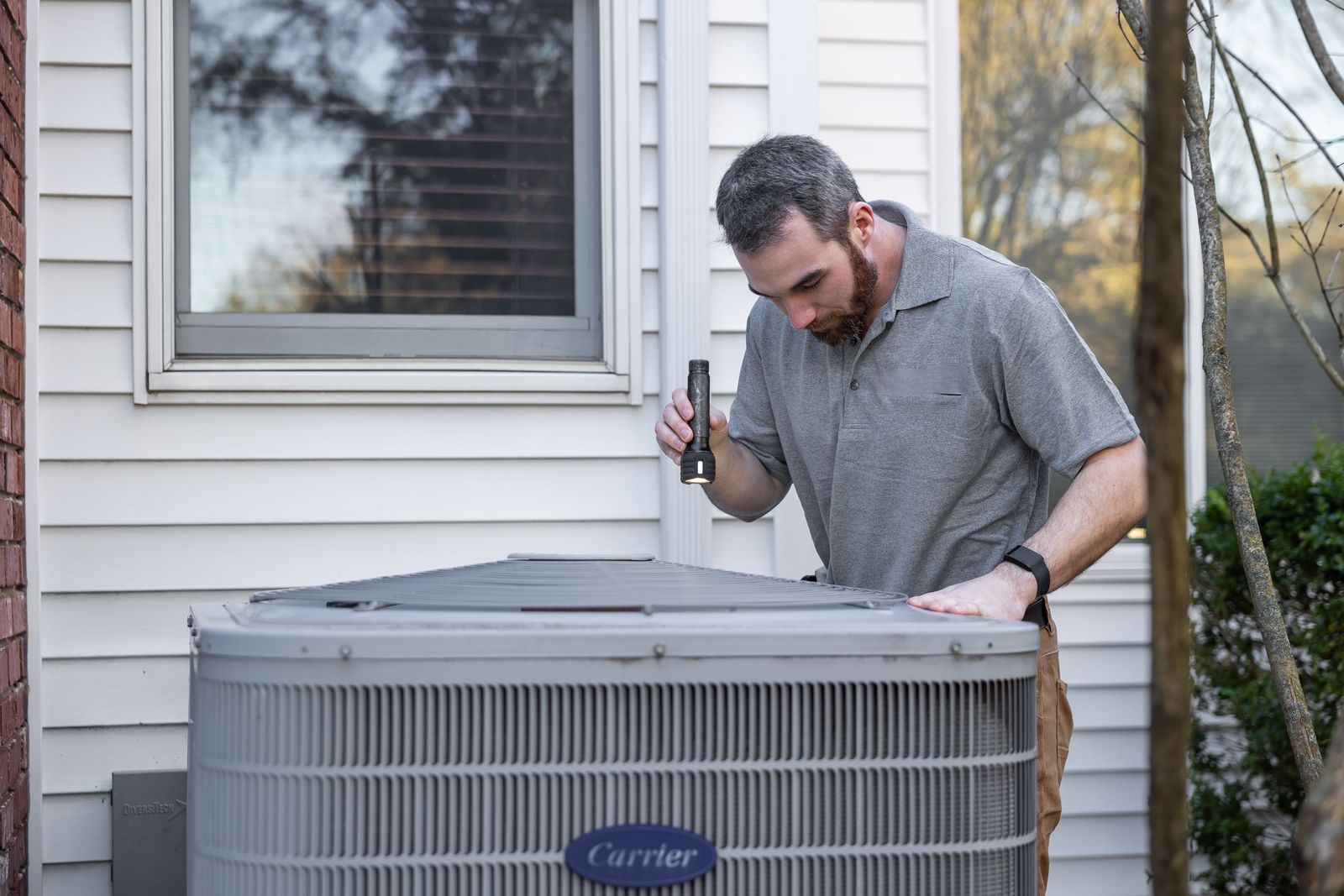
A clogged filter. Starves the system of air. Dirty coils. Insulate the very surfaces meant to transfer heat. A blocked condenser. Traps heat around the outdoor unit instead of letting it escape. Each of these mimics the symptoms of a worn-out or undersized machine, and each costs far less to address than a replacement you might not actually need. Ruling them out first is the cheapest diagnostic step in cooling.
Cooling Is Only Half the Job
An air conditioner does two jobs at once: it lowers the air temperature and it pulls moisture out of the air. On a dry day, one job is easy. During a humid Ontario summer stretch, your system fights both at the same time, and the moisture half is the one that quietly wears it down.
Humid air also feels warmer than it actually is. Twenty-six degrees on a dry afternoon is pleasant; the same twenty-six degrees with heavy July moisture feels sticky and heavy. Your thermostat reads the temperature, not your comfort, so the system keeps running while the house never quite feels right.
Two Problems Best Left to a Technician
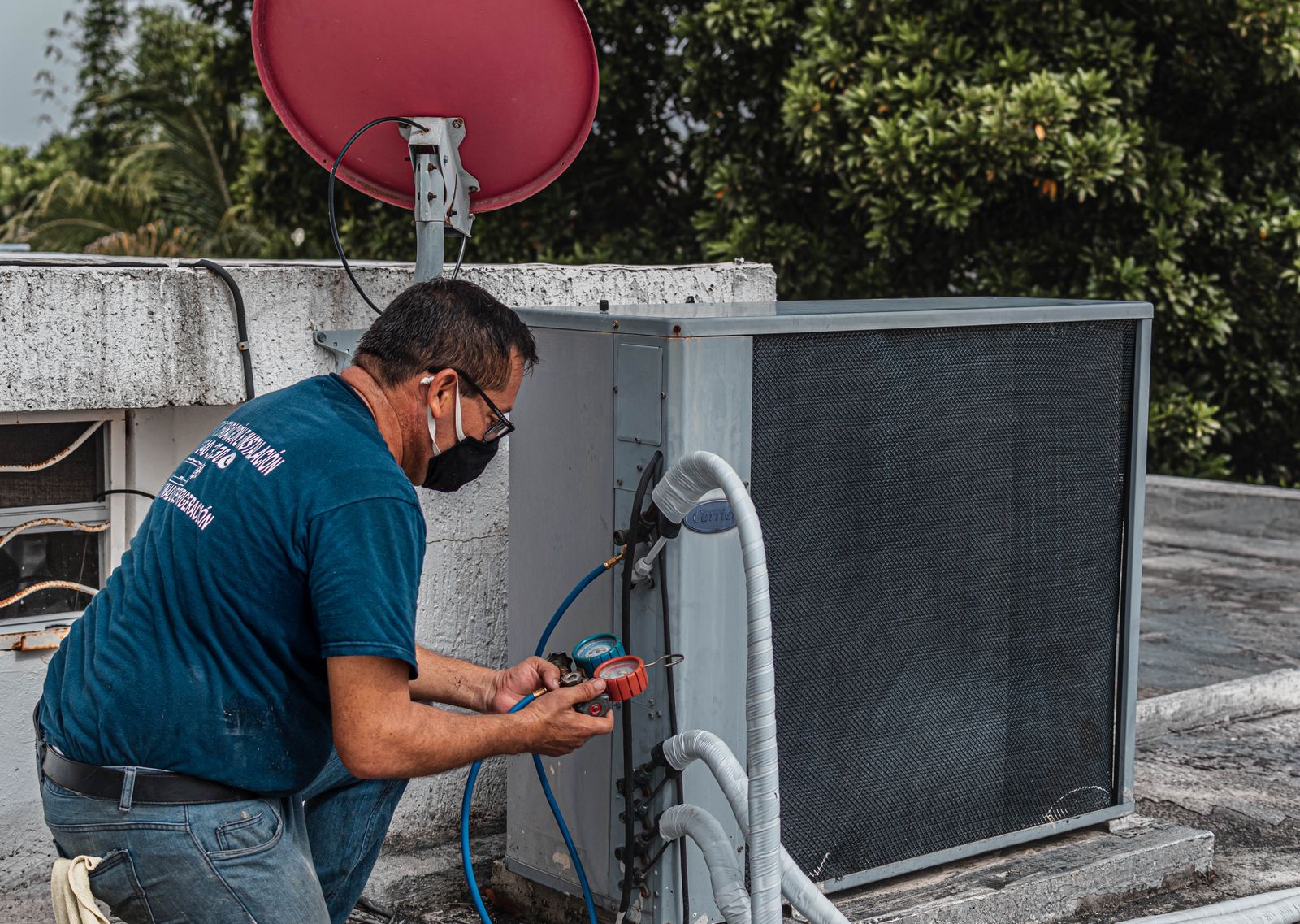
Low refrigerant. If a leak has left the charge low, the indoor coil runs too cold, icing over and choking airflow to a trickle. A leaky house. Gaps and thin insulation let warm, humid air pour in faster than the vents can push cool air out.
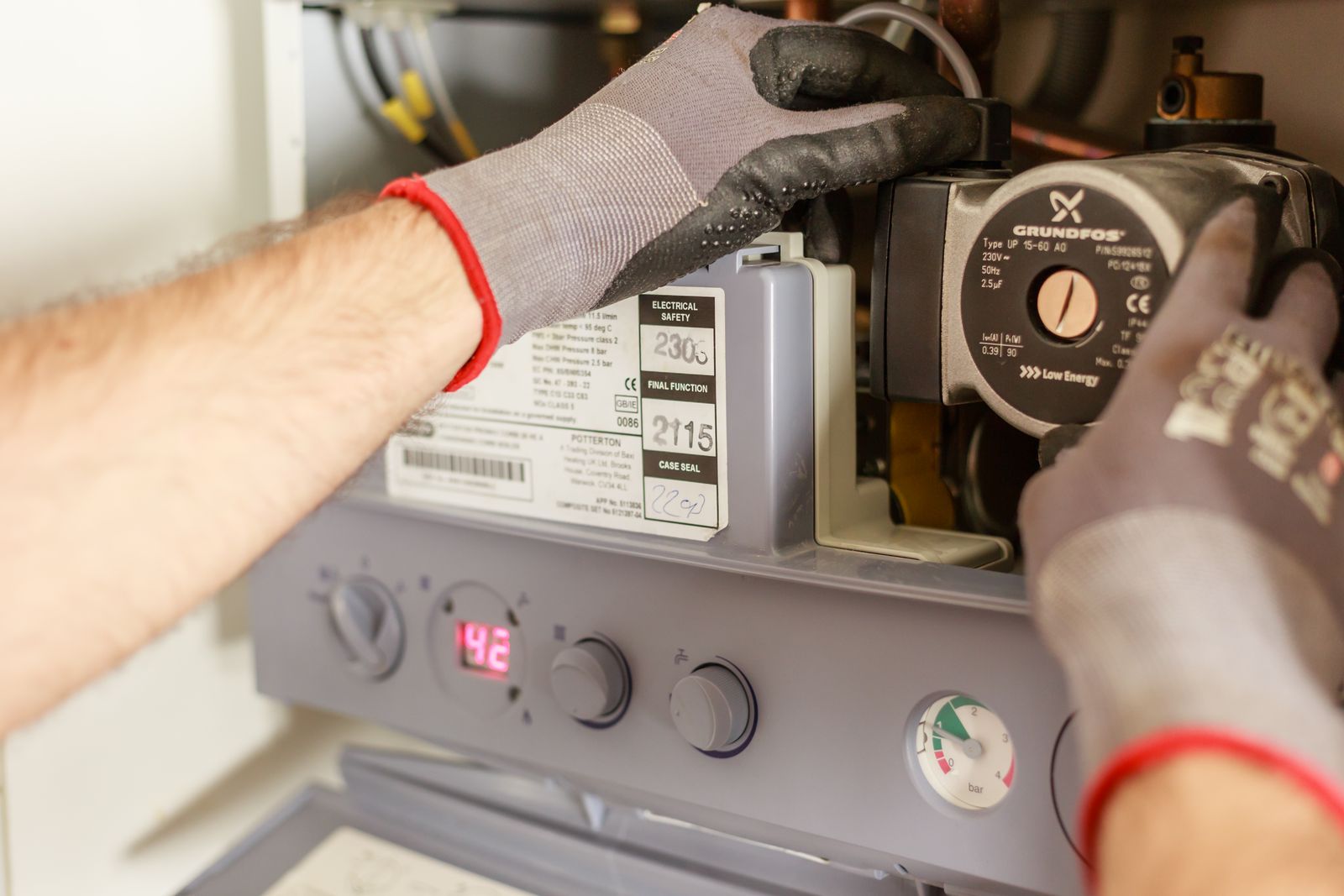
A qualified service technician can measure the airflow drop across the coil, test the charge for leaks, and inspect the duct system for restrictions, then walk you through the findings rather than recommending work on a hunch. That measurement step matters.